Welcome To CarWikiz!
Importing a vehicle from Dubai has become increasingly popular for buyers in Uganda and across the East African region due to the wide selection of vehicles, competitive pricing, and well-maintained units. However, one of the most important aspects of a successful vehicle import process is ensuring that all required documentation is properly prepared and verified.
Whether you are importing a Right-Hand Drive (RHD) or Left-Hand Drive (LHD) vehicle, having the correct paperwork ensures a smooth process during export, shipping, and customs clearance.
Below are the key documents required when importing a car from Dubai.
The commercial invoice is issued by the seller or dealership in Dubai and serves as the official proof of the vehicle purchase.
This document typically includes:
The commercial invoice is used by customs authorities to determine the taxable value of the vehicle.
An export certificate confirms that the vehicle has been legally cleared for export from the United Arab Emirates.
This document is issued by the relevant authorities in Dubai and verifies that:
Without this certificate, the vehicle cannot legally leave the UAE.
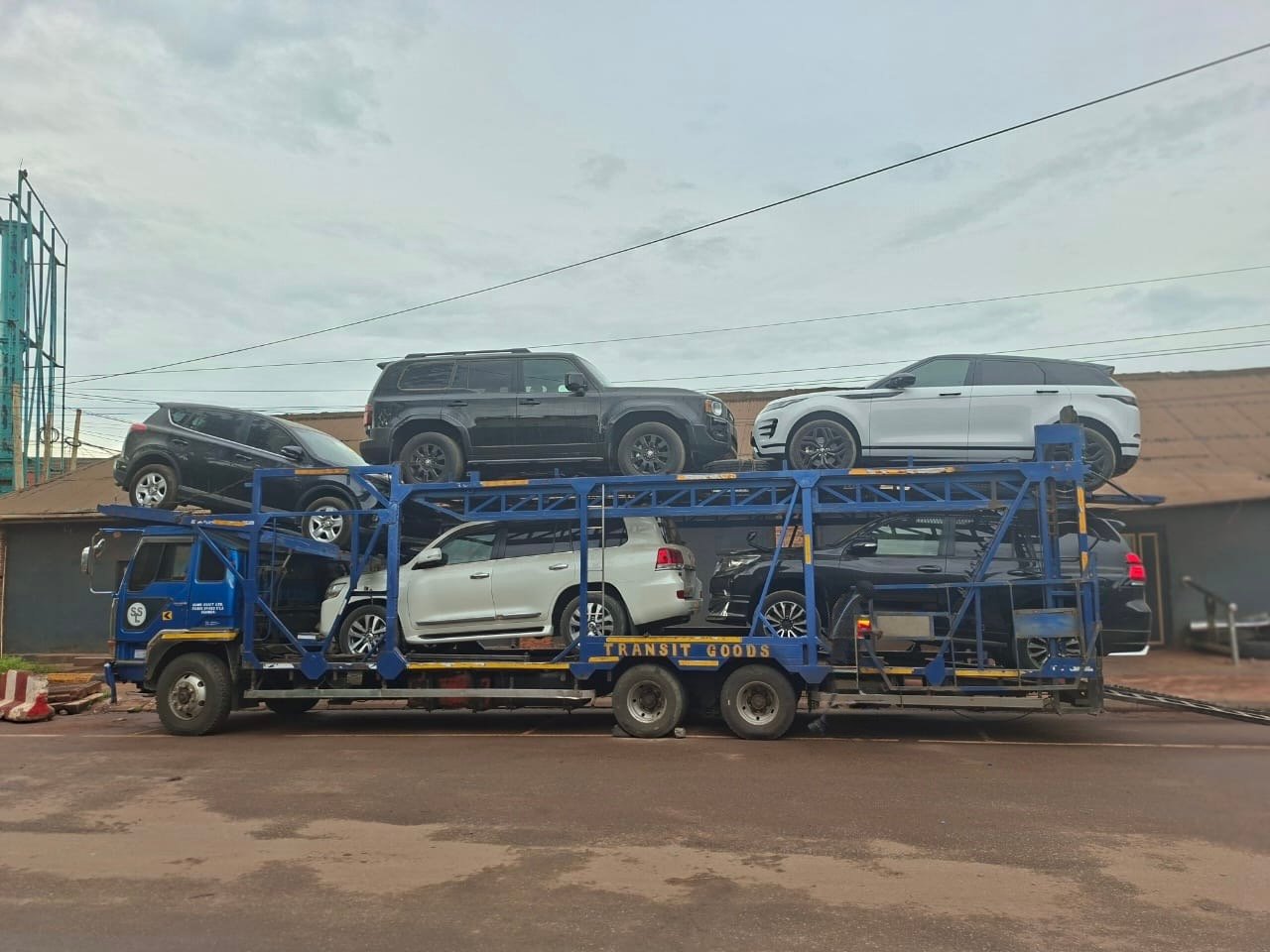
The Bill of Lading (B/L) is issued by the shipping company once the vehicle has been loaded onto the vessel.
This document contains:
The Bill of Lading is required for customs clearance at the destination port.
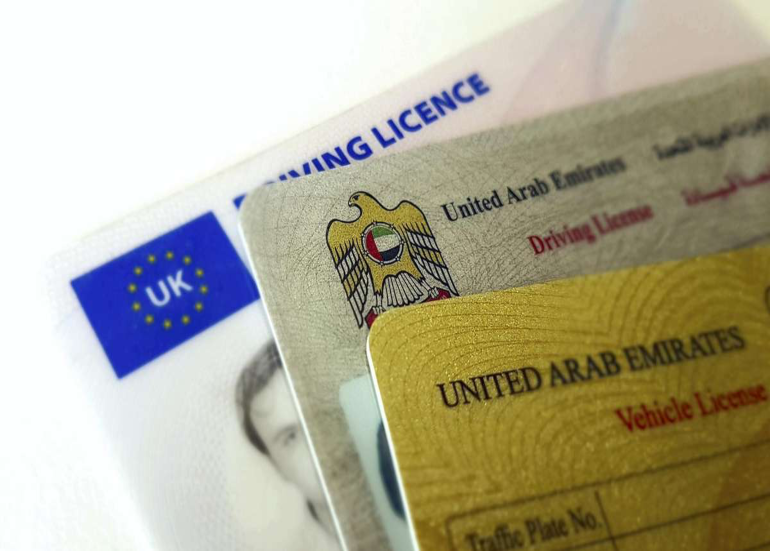
The vehicle registration certificate confirms the legal registration status of the car in Dubai.
This document shows:
It is important to ensure that the VIN on the registration certificate matches the vehicle.
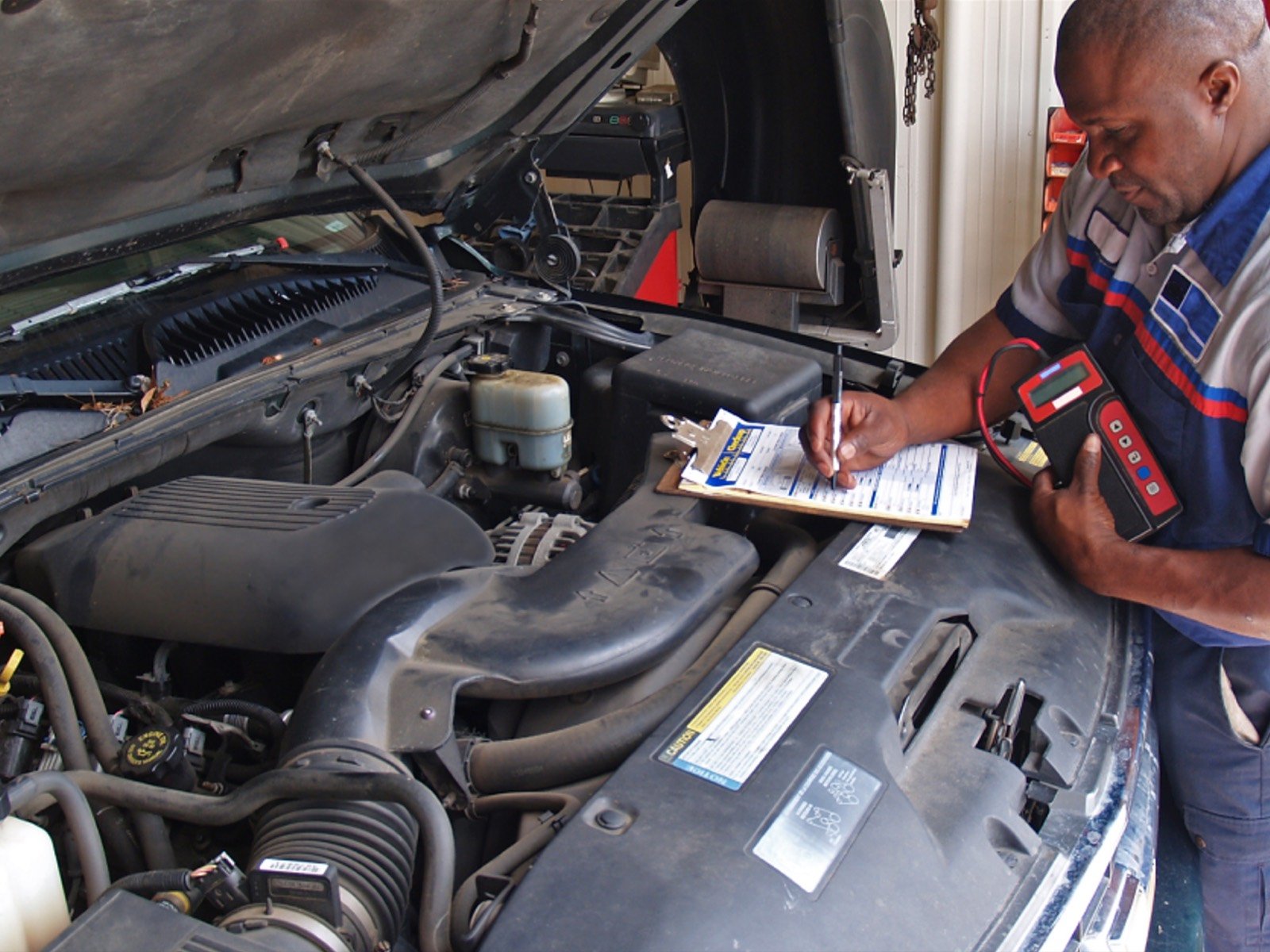
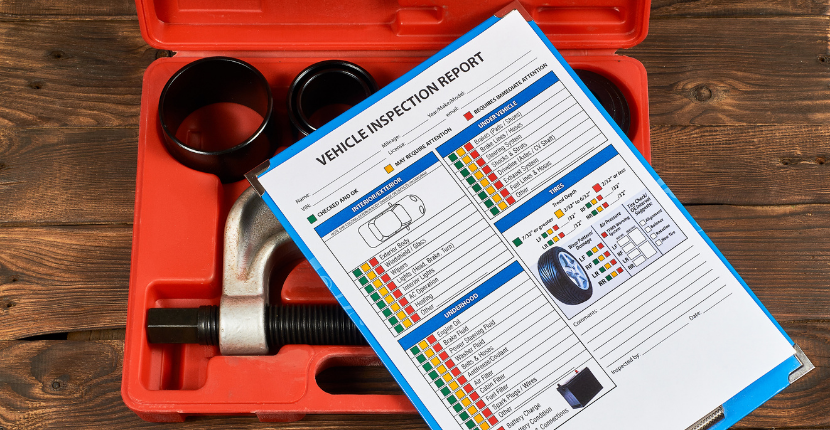
Many buyers request a pre-purchase inspection report to verify the mechanical condition of the vehicle before export.
The inspection report may include:
This helps buyers confirm that the vehicle is in good condition before shipment.
Some shipping companies may require temporary marine cargo insurance to protect the vehicle during transport.
This insurance helps cover risks such as:
Certain countries in East Africa may require an import permit before the vehicle is cleared at the port.
This document is issued by local authorities and confirms that the vehicle meets national import regulations.
Once the vehicle arrives at the destination port, customs authorities calculate the import duties based on:
The tax assessment document outlines the import duties payable before the vehicle can be released.
Some countries in East Africa allow only Right-Hand Drive vehicles for road use. Therefore, buyers should confirm local regulations before importing a vehicle.
Right-Hand Drive vehicles are typically sourced from:
Left-Hand Drive vehicles may be allowed in certain situations such as:
Always verify your country's vehicle import policies before finalizing the purchase.
Importing a vehicle involves several stages including purchase, export clearance, shipping, and customs processing. Missing or incorrect documentation can result in:
Ensuring all documents are accurate and complete helps guarantee a smooth and efficient import process.
Final Advice from CarWikiz Auto Dealers
At CarWikiz Auto Dealers, we assist clients with the entire vehicle import process, from sourcing vehicles in Dubai to preparing export documentation, coordinating shipping, and guiding buyers through customs clearance procedures.
Our goal is to ensure every client experiences a transparent, secure, and stress-free vehicle import journey.
CarWikiz - Driving Trust, Delivering Excellence.




0 Comments
No comments yet. Use the form below to post a new comment or start the first reply thread.
Leave a Reply
Your email address will not be published. Required fields are marked *